
Life, Healing, and the Reality of AYA Survivorship - by Alexis Mencos
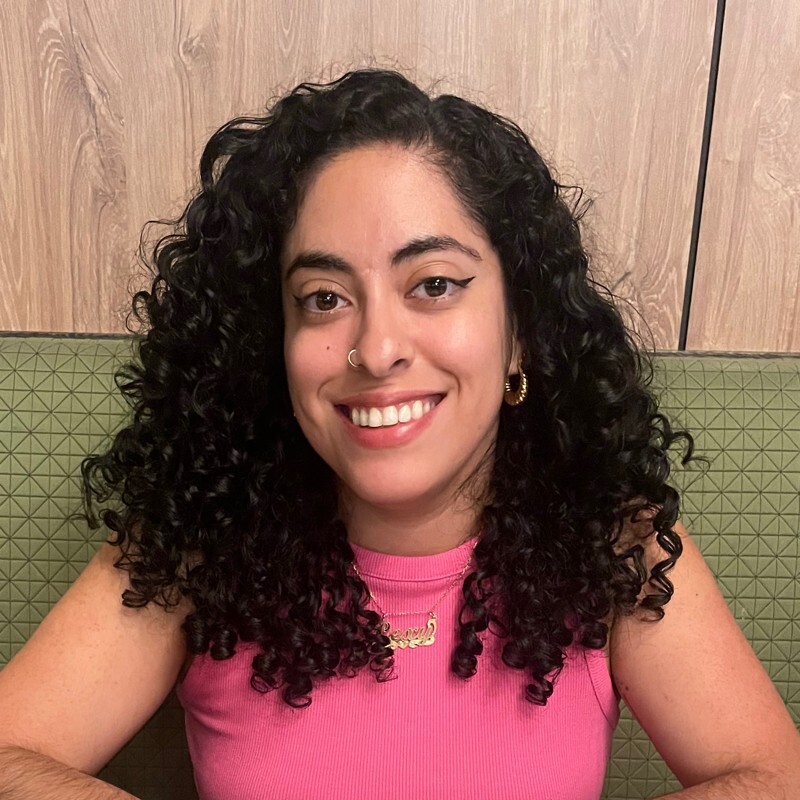

A cancer diagnosis at 21
I was diagnosed with Stage 4 Ovarian Cancer in 2015, days after my 21st birthday. My journey started by being misdiagnosed for 3 months. What I know now is that my tumor actually mimicked a pregnancy. So other than having a positive pregnancy test, late period, and nausea - I had no symptoms to alert me that anything was wrong.
At the clinic my bloodwork and HCG levels confirmed what we all thought was a pregnancy but when it came time for an ultrasound there was nothing to show other than a shadow on one side. It was then that I was told I had an ectopic pregnancy and to make a long story short, was rushed into emergency surgery 2 days after my birthday. During surgery, it was then that they found a tumor sitting on top of my ovary. The entire time the tumor was mimicking a pregnancy and it was removed intact along with one of my ovaries.
A few weeks later, I started coughing up blood and learned that the cancer had spread to my lungs. After being sent home with cough medicine due to an oncologist not being on site until Monday, I opted to go to the emergency room at Loyola Medicine. I was immediately admitted and started chemotherapy within 48 hours. There was no time to process, I had to un-enroll from my semester in college, and faced the most intense treatment offered at Loyola at the time.
Chemotherapy was a full time job, 8 hours a day, every single day. It wasn’t until I went into remission that my oncologist shared that I was Stage 4. We had my age on my side and he didn’t want to put any fear or doubt in my mind that I would beat it.
When treatment ends, but cancer doesn't
After treatment ended, I felt completely lost. I was thrown back into ‘normal life’ without any help in transitioning or processing what had just happened. In a new body that felt different and no longer trusted itself. Every cold felt like an emergency and reason to go back to the ER. This was in 2015 when there wasn’t a large online community of cancer patients or survivors, let alone anyone near my age. As a result, I went back to ‘normal life’ as best as I could and shoved my cancer experience into a box in the back of my brain.
For the following 5 years my new normal would be put on pause as I navigated routine bloodwork and CT Scans every 3 months, 6 months, and finally yearly along with the PTSD that came with it. I experienced side effects such as fatigue, permanent neuropathy, and a compromised immune system without any support. All of my doctors said my cancer treatment was over and that everything should go back to normal eventually - in reality that is far from the truth.
Bodies change permanently after cancer along with mental healing and physical changes that need to be addressed. I didn’t even find out about pelvic floor therapy until almost 8 years after being in remission, something that would have been helpful immediately after.
The unique reality of AYA cancer
AYA cancer is uniquely challenging because it occurs during some of the most formative years of life, putting life on pause very early on. At a time when young adults are building their identities, pursuing education, starting careers, forming relationships, and planning for the future, cancer shifts the focus to one thing: survival. Fertility is one of the first areas that can be impacted.
Many AYAs are forced to make life altering decisions in a very short period of time, often without the time, financial resources, or emotional capacity to preserve their fertility before beginning treatment. Careers can also be significantly affected. Treatment and recovery may make it impossible to work or complete school, and long term side effects can lead survivors to pursue lower stress jobs that better accommodate their new physical limitations.
For many AYA survivors, cancer alters the trajectory of their careers before they even have the chance to begin. In my experience, cancer entered my life when I was 21 years old. While everyone around me was enjoying college, traveling, celebrating milestones, and thinking about their futures, I was fighting for my life. I felt incredibly isolated.
When I reached out to my cancer center for support groups, I was always the youngest person in the room, especially back in 2015. Although everyone was kind, I was often met with sympathy rather than shared understanding. No one could truly relate to the grief of missing spring break with friends, watching my classmates graduate while I had to withdraw from college during treatment, or lacking the energy to participate in the everyday experiences with friends. Even after treatment ends, the impact of cancer doesn't.
Many AYA survivors continue to experience long term side effects, including fatigue, gastrointestinal issues, pelvic floor dysfunction, bone density loss, memory challenges, and iron deficiency. These lasting effects create an entirely new medical journey. Now, at 32 years old and 11 years post treatment, I find myself advocating for screenings and specialist care despite being considered too young for routine tests like colonoscopies or mammograms.
Survivorship doesn't mean the challenges disappear, it simply means they evolve. AYA survivors experience cancer differently, both during treatment and long afterward. The diagnosis creates a domino effect that influences nearly every aspect of life for years to come. AYAs deserve a community that understands their unique experiences, greater awareness of the long term challenges, and more resources designed specifically to support them through survivorship.
Why survivorship care matters
Survivorship care matters because cancer does not end the moment we are NED (negative of disease) or in remission. Survivorship IS part of cancer care. Survivorship is a forgotten space that needs research, investment, and resources. Patients like me who are in remission and 10 - 11 years out are dealing with all the long term side effects of cancer and of treatment and we end up in a space where no medical professional/cancer clinic wants to or can manage care because we are not actively fighting cancer.
This is the disconnect in cancer care and this is why I am so passionate about the work that I do in cancer spaces because survivors need more advocacy, we need plans/resources in place for long term maintenance. In my experience, medical professionals point you in different directions from PCP’s to GI to Hematologists to Orthopedic Surgeons in circles because no one can take responsibility since survivorship is a grey area of no longer actively having cancer but not being sick enough for ongoing proactive care.
There is a lack of support and it is an ongoing theme I hear from every survivor.
Finding a space to feel seen and heard
The After Cancer has been an extremely supportive space. There are people of all ages who can relate with the ways Cancer shapes day to day life moving forward. The After Cancer is a space where all walls and masks are put to the side and true vulnerability shines through.
Everyone is loving, supportive, and lets each other feel seen and heard. I have built a community where I can share my struggles, my lows, my highs, and my wins without judgement, instead I am received with understanding and care. Every interaction makes me feel validated.


